The best way to pick a horror board game is not by how scary it looks on the box. It is by how many people are playing and how long you actually have. Get those two things right and almost any decent horror game will do the job. Get them wrong and the best game in the world ends with someone checking their phone at half past ten.
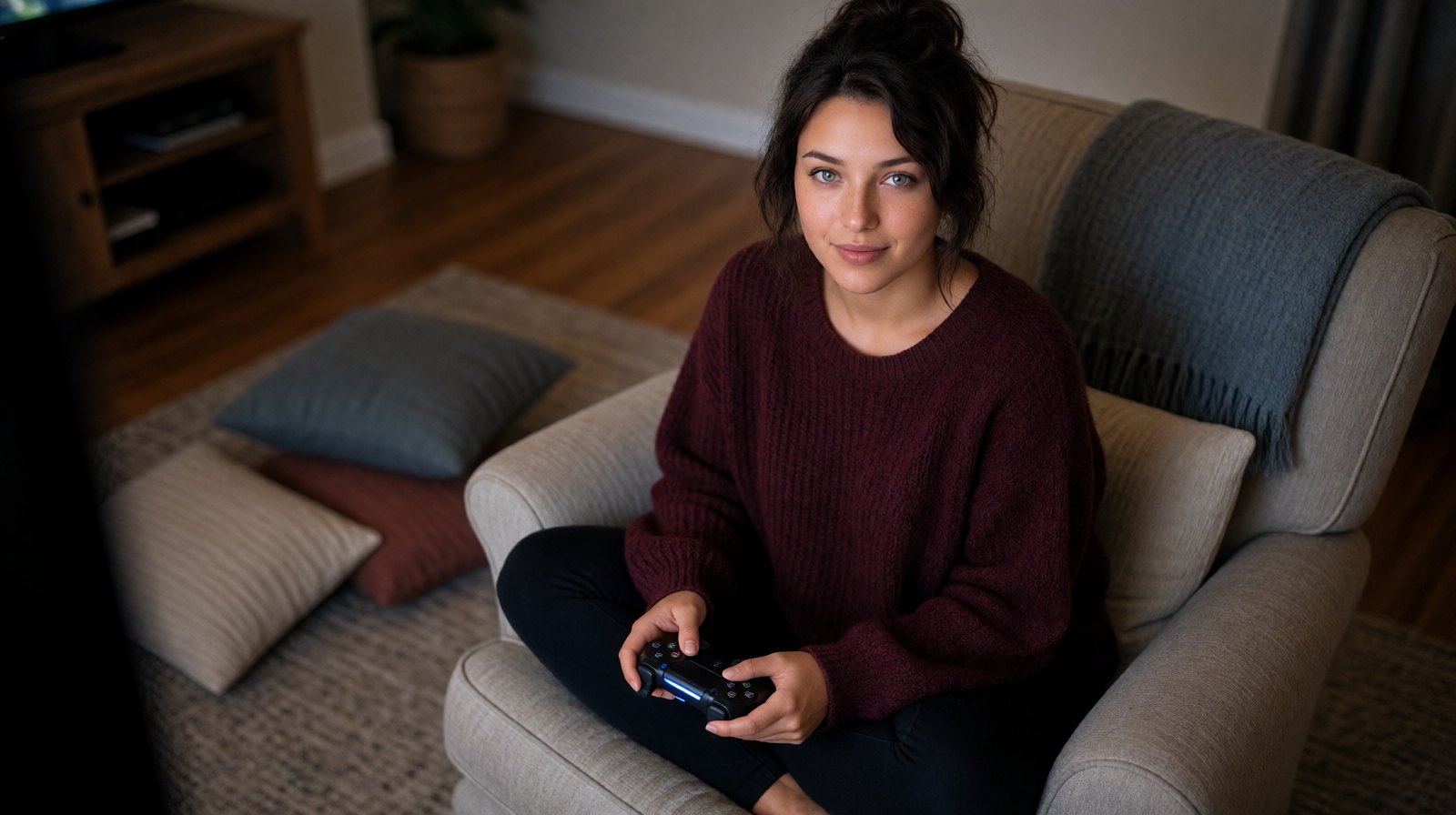
I am a homebody. My ideal evening involves a sofa, a blanket and a film, and I am not going to pretend a board game night comes naturally to me. But a horror game night, with the lamps low and something warm to drink, is one of the nicest ways to spend a dark evening. It just needs planning, and the planning is dull, so let me do it for you.
Most roundups hand you a long list and leave you to sort it out. I would rather give you a filter. Two questions come first: how many people will be sitting down, and how long do you honestly have? Two more come after, and they are optional extras: how much rules-reading will your group tolerate, and do you want everyone on the same side? I will get to those. The first two do most of the work.
Advertisement
How many players do you need for a horror board game?
Player count is the one thing you cannot fudge. A game built for a group and played by two people can feel empty. A game built for two and played by five turns into a queue. So before you look at a single cover, count the chairs.
Here is how I sort it in my head.
Just you and one other person. You want a game that says two players on the box and means it, not one that technically allows two once you remove half the rules. A two-player horror trivia card game is the obvious fit here, and it sits on my list of saved ideas for exactly this reason. Small games suit a small evening. Nobody has to explain anything for twenty minutes.
Three or four friends. This is the sweet spot for most cooperative games, and it is where a cooperative horror board game earns its place. Everyone is on the same side, everyone has a job, and nobody sits out. The tension comes from the game, not from your friends. Which, if you have ever watched two people argue over a property deal in a certain famous board game, is a relief.
A crowd of five or more. Now you need something loud, quick and forgiving. Long, careful games fall apart with a big group, because turns take ages and half the room drifts off. This is where a horror themed party board game makes sense. It is built to keep a lot of people laughing rather than to be played in silence.
The important point: read the player range on the actual product listing, not on a blog post, mine included. I am not going to quote you numbers for any particular game, because I would rather you check the listing than trust my memory. Listings can change, and so can what is in stock. Look at the range, then look at whether your usual group sits comfortably in the middle of it rather than squeezed against either end.
Something else worth knowing: a game that lists a wide range of players often plays best at one particular number. If your group sits right at the edge of the range, it is worth reading a few reviews from people who played at that size. That is a small bit of homework, but it beats a wasted evening.
How long does a horror board game night actually take?
This is the bit people skip, and it is the bit that ruins the night. Session length is not just how long the game takes. It is how long the whole thing takes, from getting the box off the shelf to putting it away again.
Think about it in three rough slots.
- Under an hour. A quick card game. You can play it before a film, between courses, or when the group has come straight from work and is not in the mood for a campaign.
- An hour or two. The classic game night. Long enough to build a bit of dread, short enough that nobody needs a second hot drink to survive it.
- The whole evening. A proper big-box game with a story that unfolds over many turns. Wonderful if everyone has agreed to it in advance. A disaster if it was a surprise.
Now the honest part. A time printed on a box is a guide, not a promise. It usually assumes people who already know the rules. If you are all learning together, expect to add time for reading and for the inevitable "wait, can I do that?" moments. I would not plan a first play right up against the end of your evening. Leave yourselves some slack.
The same goes for card games. People assume that a card game must be a short game. That is not always true. Some card games are built around a story that runs across several sessions, with decks to put together and scenarios to work through. Others are done in half an hour. The word "card" tells you about the format, not the length. So when you see a survival horror card game on a shopping list, do not assume it is a quick warm-up. Check what the listing says about how long a session runs, and whether it is meant to be played once or as an ongoing story. If the listing does not say, that is a reason to look at reviews before you buy, not a reason to guess.
I would rather tell you that plainly than have you buy something on the assumption it fits into a Tuesday night and find it needs a whole weekend.
Three kinds of game that fit, and what to check
I keep a short list of saved ideas for this kind of evening. There are three that map neatly onto the filter, and I will be clear about what each one is: a type of game, not a promise about a specific box. Whatever you choose, check the listing for the player range and the play time before you buy anything, and check that it is currently on sale.
The cooperative horror board game. Best for a small group who want to feel like they are in the film together. The appeal is simple: you all lose or you all win. That makes it good for people who do not enjoy competing, and good for anyone who wants the scares without the sniping. What to check: the player range, the stated length, and whether the rules are described as easy to pick up. If you have a mixed group, some of whom have never played anything more complicated than snakes and ladders, that last one matters more than you would think.
It also makes the evening feel like an event. You sit round the table, the game sets the mood, and you spend the next hour or two trying to survive together. Nobody is the villain in most of these, apart from the game itself. (In some, a hidden traitor is part of the fun, so read the description if you would rather everyone stays friends.)
The horror themed party board game. This is the one for a crowd, or for a night when the mood is silly rather than tense. Party games tend to be lighter on rules and heavier on laughing, which makes them a good fit for larger groups and shorter slots. What to check: whether the listing describes it as a party game and gives a player range that covers your whole group. Also, if you are hosting friends who scare easily, a party game is the gentler choice. It is horror in costume, not horror in the dark.
The survival horror card game. This one is for the person who likes to think, and for a group that has agreed to give it some attention. It suits people who enjoy a puzzle with a sinister edge. What to check: play time per session, whether the game is designed to be played as a single sitting or a series, and how much setup it needs before the first card is turned. Setup matters. A game that takes half an hour to prepare is a different evening from one you can deal in a minute.
If none of these suits your particular group, that is fine. There are other kinds of horror game, and my three are a starting point. The filter still works: count the players, count the time, check the listing.
Making it a proper night in
Once you have picked the game, the rest is easy, and honestly the easy part is my favourite. Turn the big light off. Put a lamp on. Get a blanket over your knees. Sort out the drinks before you start, not halfway through, because nothing kills the atmosphere like someone standing up to boil a kettle at the critical moment.
A few small habits help.
- Read the rules before anyone arrives. One person who knows the game makes it a better night for everybody. Explaining a game while five hungry people look at you is nobody's idea of fun.
- Decide the finishing time first. Say it out loud: "we will stop by ten." It stops a long game from turning into an ordeal, and it gives you a natural point to switch to something calmer.
- Keep a shorter game in reserve. If the main one runs long, or the group is flagging, a quick card game is a good way to finish on a laugh.
- Pick the mood, not just the game. Some evenings want dread. Some want silliness. Choosing the wrong one is how a lovely game gets a bad reputation.
And if you are anything like me, a film after the game is the perfect way to wind down. Pick something comforting rather than something that will keep you awake until three. Or, if you are still feeling brave, something properly nasty. Your evening, your rules.
So the short version, for anyone who scrolled straight to the end. Count your players. Count your time. Look for the game that fits both, and check the listing for the player range, the session length and whether it is still available. The scary part is the game's job. Yours is just making sure everyone actually gets to enjoy it.
Tell me how you get on. I would love to hear which games ended up on your table, and whether the filter saved your evening or made it worse. I can take it.
As an Amazon Associate I earn from qualifying purchases. How the links work.