
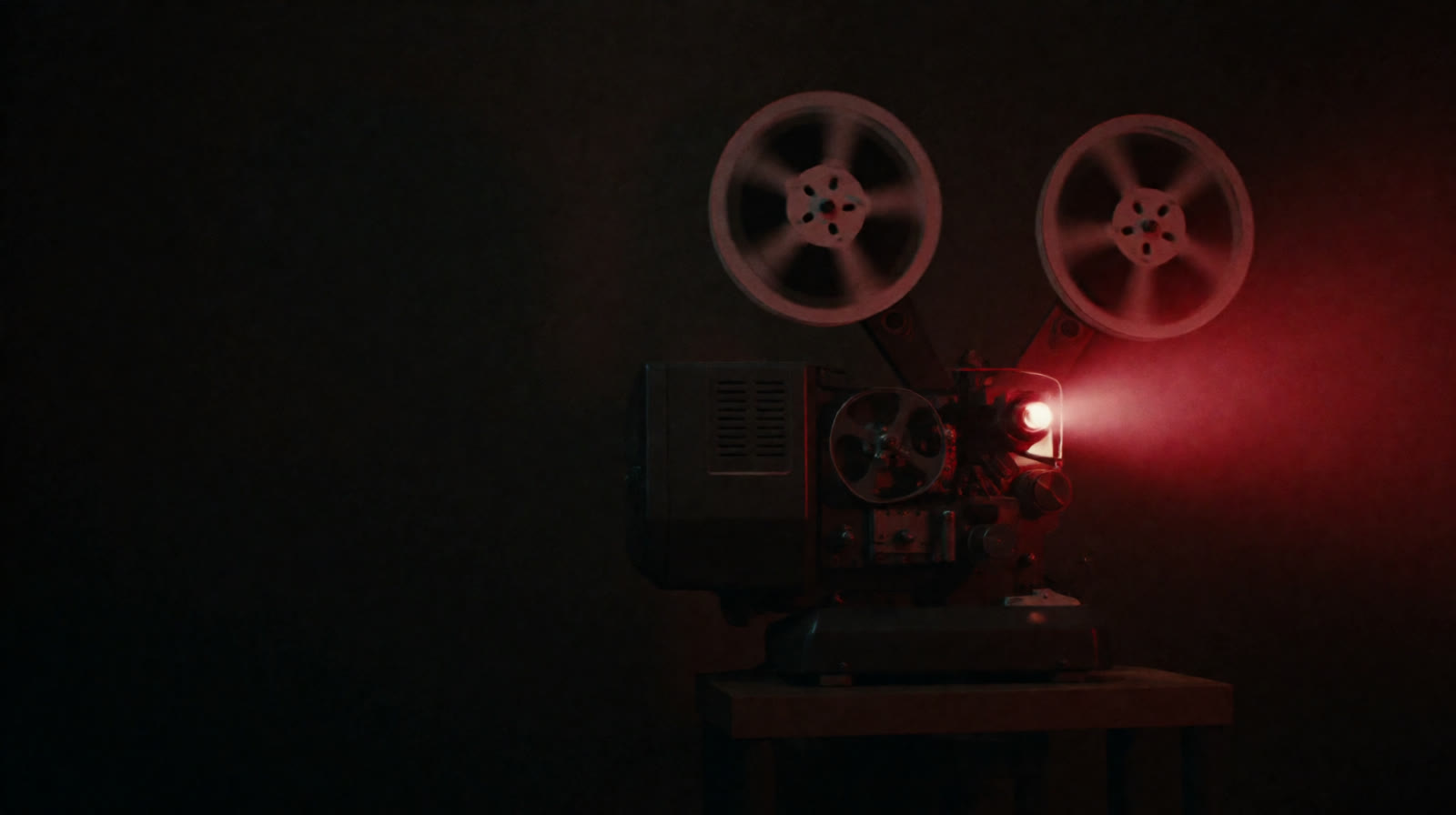
Dark Water earns its place among the best horror films 2002 gave us because it builds its haunting almost entirely out of ordinary things: a water stain spreading across a ceiling, a missing girl's red bag turning up where it has no business being, and a mother already worn down by a difficult custody battle. There is no jump scare you can clip and send to a group chat, just a run down flat block that will not let her have the boring, unremarkable life she moved in for.
If you came here typing something close to "horror films 2002" into a search bar, hoping for something other than the obvious names everyone already mentions, this is the one I would point you towards first. It is patient, it is uncomfortable in a very ordinary way, and it trusts you to sit with a bad feeling rather than jumping you out of it.
What Dark Water Is Actually About
Strip the plot back and it is small on purpose. A mother going through a difficult custody situation moves into a run down flat block with her young daughter, looking for somewhere plain and unremarkable to start again. She wants boring. She wants a flat with working taps and neighbours who mind their own business. The building will not give her that.
Advertisement
A water stain appears on the ceiling of their new flat and gets worse whatever she does about it, spreading in a shape that feels less like damp and more like something trying to get through. A red bag that belongs to a child who no longer lives there keeps turning up in places it has no business being. Nobody in the building wants to explain who the missing girl was, or why. None of this is complicated as a plot summary. It is the pacing, the exhaustion of the mother, and the slow accumulation of small wrong details that do all the actual work.
What I keep coming back to is how little the film relies on you being told anything directly. You are left to notice the stain has spread since the last scene the same way the mother notices it, a beat too late, with the sinking feeling that something in this flat has been continuing without her while her back was turned. It is a horror film built almost entirely out of things you catch yourself piecing together rather than things handed to you.
Why Dark Water Stands Out Among Horror Films 2002
A lot of what came out that year was chasing something louder: bigger scares, bigger reveals, a bigger "wait until you see what happens next" moment near the end. Dark Water goes the other way entirely. It trusts a leaking ceiling and an unanswered phone call to unsettle you more than a jump scare ever could, and it is patient enough to let a stain spread slowly across three scenes before anyone in the film even mentions it out loud.
What makes it properly domestic horror, rather than just horror that happens to be set indoors, is that the threat comes from the home itself. The flat is meant to be the safe part of the story, the place the mother escapes to once the difficult parts of her life are behind her, and instead it is the thing that will not leave her alone. Everything that frightens her is ordinary on paper: damp, plumbing, a neighbour's silence, a child's belongings left somewhere they should not be. Nothing supernatural needs to announce itself with a face at the window when the tap in your own kitchen already feels wrong.
There is also a quiet thread of exhaustion running through the whole thing that I think gets underplayed when people describe it. This is a film about a mother who is already stretched thin before anything strange starts happening, trying to hold together a custody case, a new job and a small daughter on her own, and the haunting lands on top of all that rather than instead of it. It is horror with somebody's real, mundane tiredness sitting underneath it, which is part of why it does not feel dated the way some flashier films from the same year now do.
Put those two things together, the ordinariness of the setting and the ordinariness of the exhaustion, and you get a film that unsettles you slowly rather than startling you once. That is a much harder thing to pull off than a good jump scare, and it is why this one still gets mentioned by people quietly comparing notes on the best horror films 2002 produced, long after the louder titles from that year have stopped coming up.
The Ending That Never Explains Itself
Here is where the film either wins you over completely or leaves you a bit cold, and I will not spoil the specifics because half the point is watching it land without warning. Dark Water does not sit you down in its final minutes and explain exactly what the ghost wants, why the water keeps rising, or hand you a tidy resolution with every loose thread tied off. It ends the way grief actually tends to behave: unresolved, a little unfinished, more felt than understood.
If you need every question answered by the time the credits roll, that will genuinely frustrate you, and I would not blame you for it. But if you are the sort of person who likes a film that keeps working on you afterwards, on the walk to the kitchen for a glass of water you suddenly do not want any more, or lying awake going over it later, this is exactly that kind of film. The ambiguity is not the film failing to finish its own thought. It is the whole thought.
I think part of why the ending sits so awkwardly with some people is that it refuses the usual bargain horror films make with you: sit through the unease, and we will give you an answer at the end that makes it all make sense. Dark Water takes the unease and simply lets you keep it. That is a braver choice than it sounds, and it is the reason this one still gets talked about long after films with louder, more explained endings have been forgotten.
If This Is Your Sort of Thing, Try These Next
Dark Water sits in a small, specific tradition of quiet, slow-building ghost stories where the horror is domestic rather than spectacular, and if it worked on you, there are other places in that same tradition worth your evening. On the film side, The Innocents (1961) — Criterion Blu-ray is an older cousin of the same idea: a house, a child, and a horror that lives almost entirely in what is implied rather than shown. It asks for the same patience Dark Water does, and rewards it the same way.
If you would rather read than watch on a given night, the same slow dread turns up on the page too. A collection like the M R James ghost stories collection is built from exactly this kind of story: ordinary settings, a wrongness that creeps in gradually, and an ending that trusts you to sit with it rather than explaining itself away. It is the kind of collection worth keeping on the shelf for the nights when you want the feeling without putting a screen on at all.
How I Would Watch It
This is not a film for a big group with the lights on and a bowl of popcorn going round while people talk over the quiet bits, because the quiet bits are the entire point. It wants lights down, one other person at most, and the sort of night where you make a hot drink before it starts because you already know you are not getting up again once that ceiling stain first appears.
I tend to watch this one wrapped in something too warm for the room, because a film about damp and cold flats makes you want the opposite in real life. A chunky knit throw blanket over the knees does more work than people give it credit for on a night like this, and it means you are not the one breaking the mood to go and find a jumper halfway through.
If you want to see it for yourself rather than take my word for it, look for the Dark Water (2002) - IMPORT, which is the version that will actually play wherever you are watching from. Put the phone somewhere else, get comfortable, and give it the patience it asks for. It rewards it.
Ad · Includes affiliate links; we may earn a commission.
As an Amazon Associate I earn from qualifying purchases. How the links work.